
5 Common CCTV Mistakes Homeowners Make
Installing CCTV is one of the best ways to protect your home, but simply fitting a few cameras doesn’t always provide the level of security people expect.
Every year, we visit properties across Greater Manchester where cameras have been installed in the wrong places, important areas have been missed, or systems aren’t being used to their full potential.
The good news is that most of these problems are easy to avoid with a little planning.
Whether you’re thinking about having CCTV installed or already have a system in place, here are five of the most common mistakes homeowners make.
Why More Homeowners Are Installing CCTV Than Ever Before
Modern systems offer far more than simply recording footage. They allow homeowners to check in on their property from anywhere, receive instant notifications when movement is detected and review recordings whenever they need them.
For many people, it’s not just about protecting their home from burglars. CCTV can also help you keep an eye on deliveries, monitor vehicles on the driveway, see who’s at the front door and provide reassurance when you’re away on holiday.
Technology has also improved significantly. Today’s cameras produce crystal-clear footage during the day and excellent night-time images, while intuitive smartphone apps make it easy to view live footage wherever you are.
Professional CCTV installation ensures every camera is positioned to provide the best possible coverage of your property, reducing blind spots and making sure the system works exactly as it should from day one.
However, even the best CCTV system won’t perform as well as it should if it’s poorly planned or incorrectly installed. That’s why it’s worth understanding some of the most common mistakes homeowners make before investing in a new security system.

1. Choosing The Cheapest System Available
It can be tempting to buy the cheapest CCTV kit you can find online, especially when many promise easy installation and high-definition footage.
Unfortunately, not all CCTV systems are created equal.
Lower-quality cameras often struggle at night, produce poor image quality and have limited storage or unreliable motion detection. When you actually need the footage, you may find it isn’t clear enough to identify a person or vehicle.
A good CCTV system should provide:
- Clear day and night footage
- Reliable motion detection
- Remote viewing from your phone
- Secure recording and playback
- Equipment designed to last for years
Buying quality equipment from the start often saves money in the long run by avoiding repairs, upgrades and complete replacements a short time later.
2. Poor Camera Placement
One of the biggest mistakes isn’t the cameras themselves—it’s where they’re positioned.
We’ve seen homes with four or five cameras installed that still leave key areas completely uncovered.
Every property is different, so camera locations should be planned around the layout of your home rather than simply fixing them wherever it’s easiest.
Common areas that should be considered include:
- The front door
- Driveways
- Rear gardens
- Side access paths
- Garages and outbuildings
Positioning cameras correctly also helps reduce blind spots and ensures you capture clear images rather than just the tops of people’s heads.
If you’re considering a new system, our CCTV installation service includes advice on the best camera locations for your property.
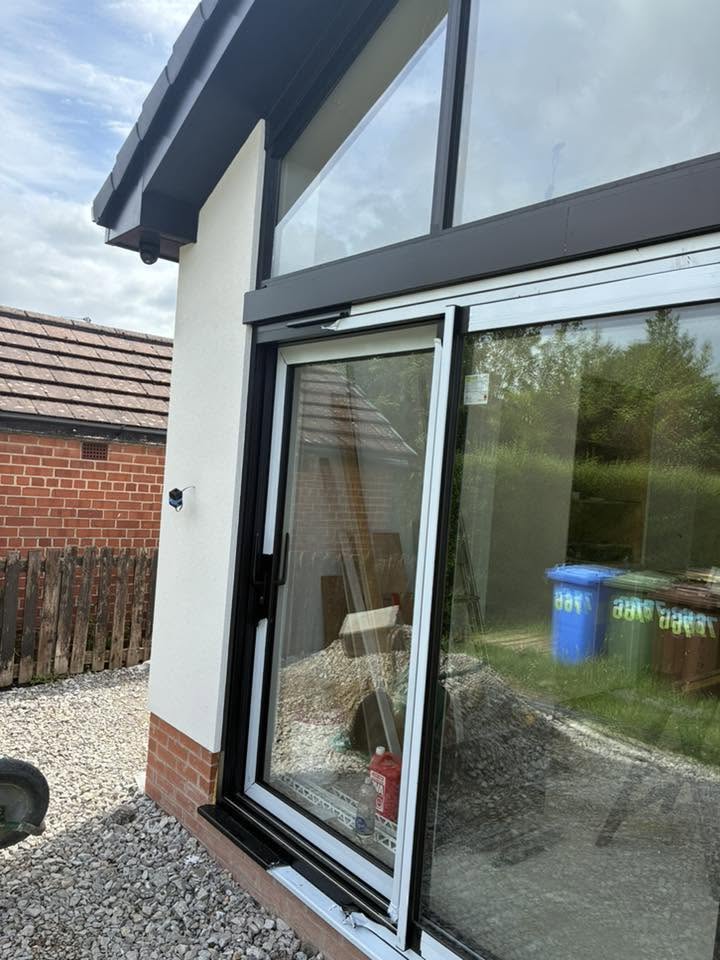
3. Forgetting About Lighting
Many homeowners assume that because a camera advertises night vision, it will produce perfect footage in complete darkness.
In reality, lighting still plays an important role.
Poorly lit gardens, side passages and driveways can make it more difficult to capture useful detail, particularly over longer distances.
Modern CCTV systems perform incredibly well in low-light conditions, but careful positioning and choosing the right camera for each location makes a noticeable difference.
During an installation, it’s important to consider:
- External lighting
- Street lighting
- Sun glare during the day
- Reflections from windows
- Trees and shrubs that may block the view
A small adjustment in camera position can dramatically improve the quality of the footage throughout the year.
4. Never Checking The System
Once a CCTV system has been installed, many homeowners simply assume it’s working.
Unfortunately, that’s not always the case.
Power cuts, hard drive failures, internet connection issues and accidental changes to settings can all affect how your system performs. It’s not uncommon for people to discover their cameras haven’t been recording properly only after an incident has happened.
Taking just a few minutes every month to check your system can save a lot of frustration later.
We recommend checking:
- All cameras are recording correctly.
- Remote viewing still works on your phone.
- Footage is being stored correctly.
- Lenses are clean and free from cobwebs or dirt.
- Camera views haven’t been blocked by growing trees or shrubs.
A quick check now and then helps ensure your CCTV system is ready if you ever need it.
5. Relying On CCTV Alone
CCTV is one of the most effective ways to monitor your property, but it works best as part of a wider security system.
An intruder alarm, security lighting and good physical security all work alongside CCTV to provide much better protection than any one solution on its own.
Visible cameras often discourage opportunist criminals, while an alarm can immediately alert you if someone attempts to gain entry.
Combining multiple security measures gives you a greater chance of preventing an incident altogether, rather than simply recording it.
Many homeowners choose to combine our CCTV installation service with a professionally installed intruder alarm system for complete peace of mind.
Professional CCTV Installation Gives You More Than Just Cameras
Modern CCTV systems do much more than simply record video.
Today’s systems allow you to:
- View live footage from your smartphone.
- Receive instant motion alerts.
- Play back recordings whenever you need them.
- Monitor your home while you’re on holiday or at work.
- Keep an eye on deliveries, visitors and your property from anywhere.
The biggest advantage of professional installation is knowing the cameras have been positioned correctly to give you the best possible coverage, rather than leaving blind spots around your home.

What Makes A Good Home CCTV System?
Every home is different, which means there isn’t a one-size-fits-all CCTV solution.
A good system should be designed around your property, taking into account the layout, access points and the areas you want to monitor most.
When choosing a CCTV system, look for features such as:
- High-definition image quality.
- Clear colour or infrared night vision.
- Remote viewing via a smartphone app.
- Reliable motion detection and alerts.
- Secure recording with sufficient storage.
- Weatherproof cameras suitable for the British climate.
Just as importantly, the cameras need to be positioned correctly. A professionally installed system should capture clear views of entrances, driveways and vulnerable areas without unnecessary blind spots or obstructions.
Protect Your Home With Professional CCTV Installation
If you’re considering CCTV for your home, choosing the right equipment is only part of the process. Camera placement, recording quality and system setup all play a major role in how effective your security system will be.
At Tameside Security, we install high-quality CCTV systems for homeowners across Greater Manchester. Every installation is tailored to the property, ensuring important areas are covered and the system is easy to use every day.
If you’d like advice on the best CCTV solution for your home, get in touch with our team today. We’ll be happy to recommend a system that suits both your property and your budget.
Frequently Asked Questions
Where is the best place to install CCTV cameras on a house?
The most important locations are usually the front door, driveway, rear garden and any side access paths. Every property is different, so camera positions should be planned to minimise blind spots.
How many CCTV cameras does a typical house need?
Most homes are well protected with between three and six cameras, depending on the size and layout of the property. A professional installer can recommend the right number for your home.
Can I view my CCTV cameras on my phone?
Yes. Most modern CCTV systems allow you to watch live footage, receive motion alerts and play back recordings through a smartphone app wherever you are.
Does CCTV work in the dark?
Modern CCTV cameras include infrared or colour night vision technology, allowing them to record clear footage even in low-light conditions.
Should I have an alarm as well as CCTV?
Yes. CCTV and intruder alarms complement each other. CCTV provides evidence and remote monitoring, while an alarm immediately alerts you if someone attempts to enter your property.